A Different Way to Think About Place

I do not simply design places for people to live.
I design places that help people become.
Everything begins with one conviction:
Architecture, at its best, is not simply the creation of buildings. It is the thoughtful shaping of the conditions in which human life can flourish.
That means beginning somewhere different.
Not with a floor plan.
Not with a style.
Not even with a building.
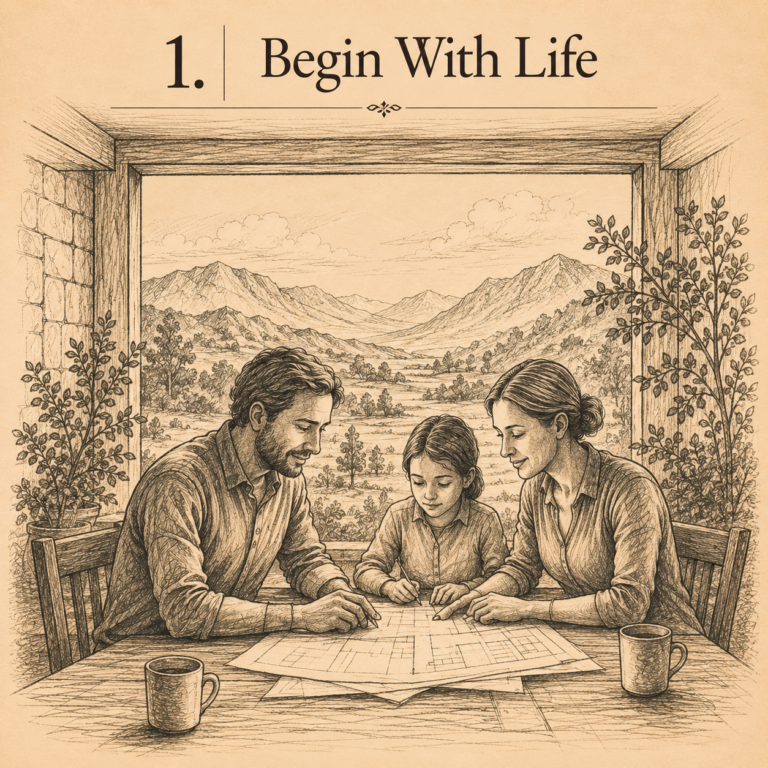
We begin with life.
Most people begin with buildings.
I begin with life.
Before drawing anything, I want to understand how you actually want to live.
What does a good morning look like?
Where do you gather?
Where do you retreat?
How connected do you want to be to the land?
What do you want to grow, make, maintain, or produce?
What should be easy?
What should remain deliberately hands-on?
What kind of life are you trying to create—not only today, but ten or twenty years from now?
These questions change architecture.
They change where a house belongs on the land.
They change its orientation, its relationship to gardens and outdoor spaces, its connection to water, food, work, family and community.
They help us discover what the project actually needs to become.
This is where the work begins.
Depending on the project, that may include:
• Design consultation
• Lifestyle and needs exploration
• Property evaluation
• Existing-property assessment
• Early feasibility studies
• Concept development
• Long-term property planning
The objective is not to arrive at a predetermined solution.
It is to ask better questions until the right direction begins to emerge.
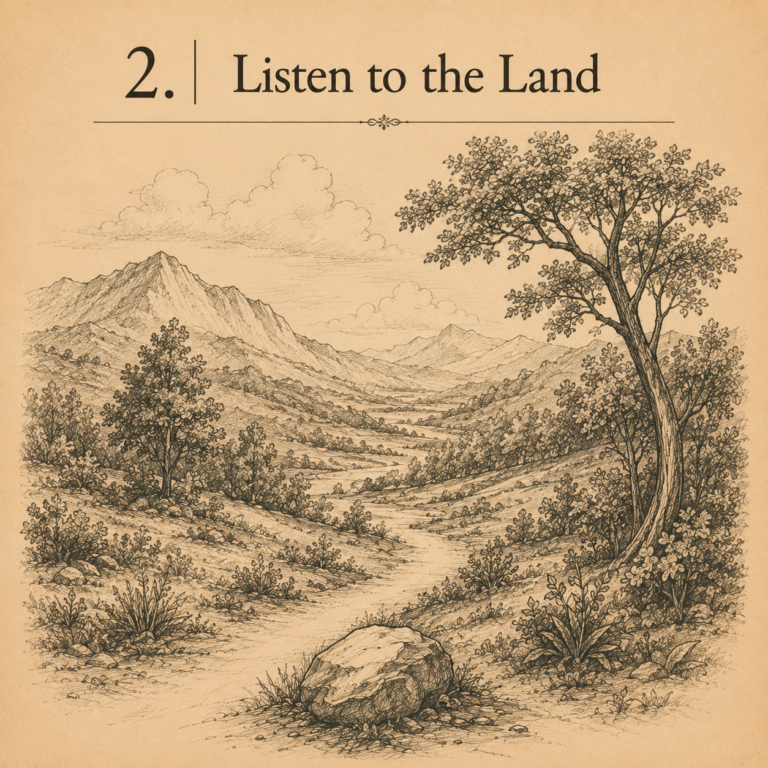
A place is never a blank canvas.
Every property already has a story.
The sun moves across it in a particular way.
Water enters, collects and leaves.
Winds arrive from certain directions.
Trees create shade and shelter.
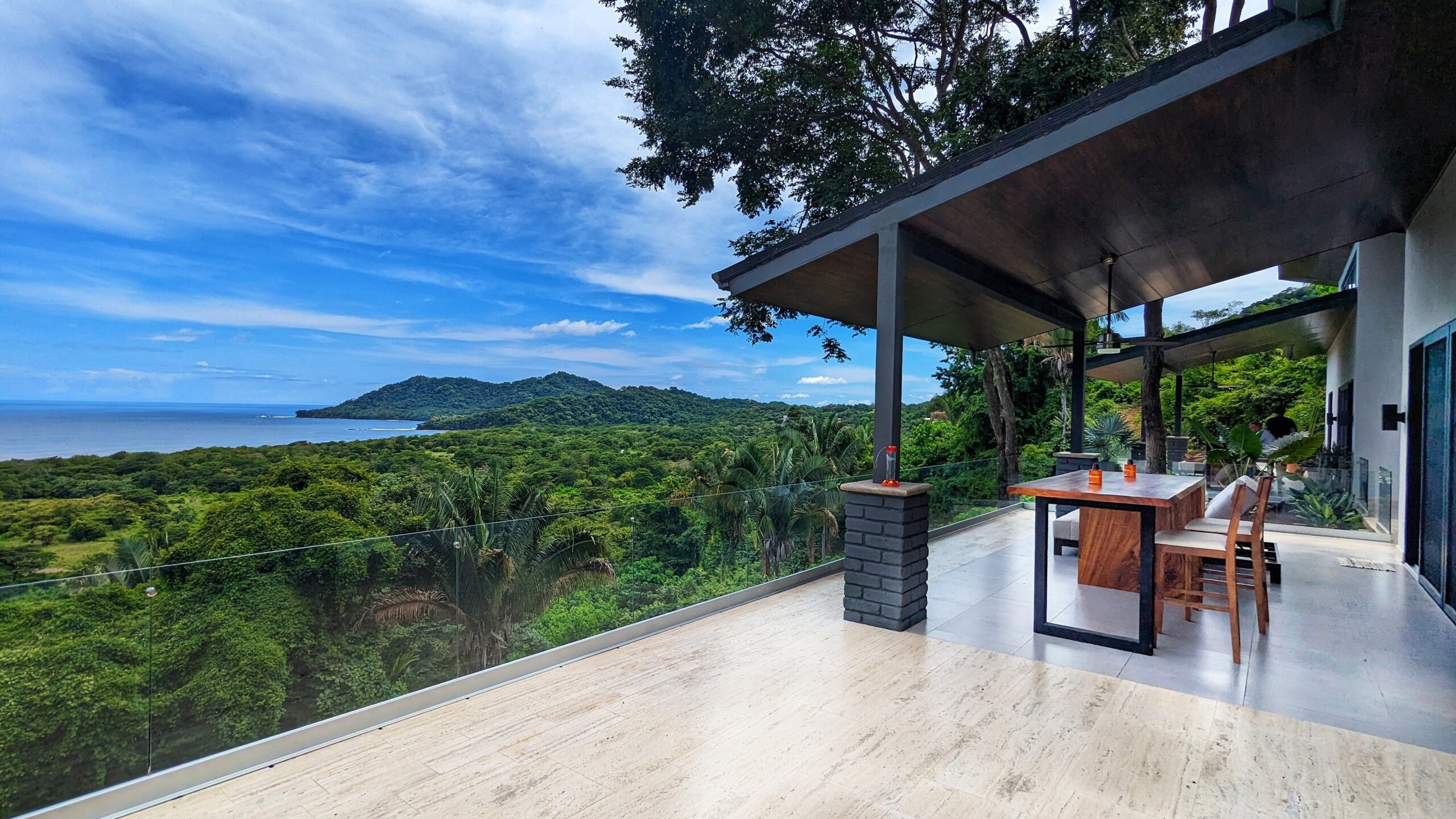
Views open and close.
Slopes suggest where building should occur—and sometimes where it should not.
There are sounds, smells, histories, neighbors, roads and quiet places.
Good design begins by paying attention.
Rather than forcing an idea onto the land, I look for the relationship between the life we have imagined and the place that must support it.
That relationship begins to determine the architecture.
Land and site planning may include:
• Site analysis
• Building placement
• Solar orientation
• Views and privacy
• Roads and access
• Drainage and water movement
• Landscape relationships
• Agricultural areas
• Future buildings and expansion
• Utility and infrastructure planning
Sometimes the most important design decision is not what to build.
It is where to put it.
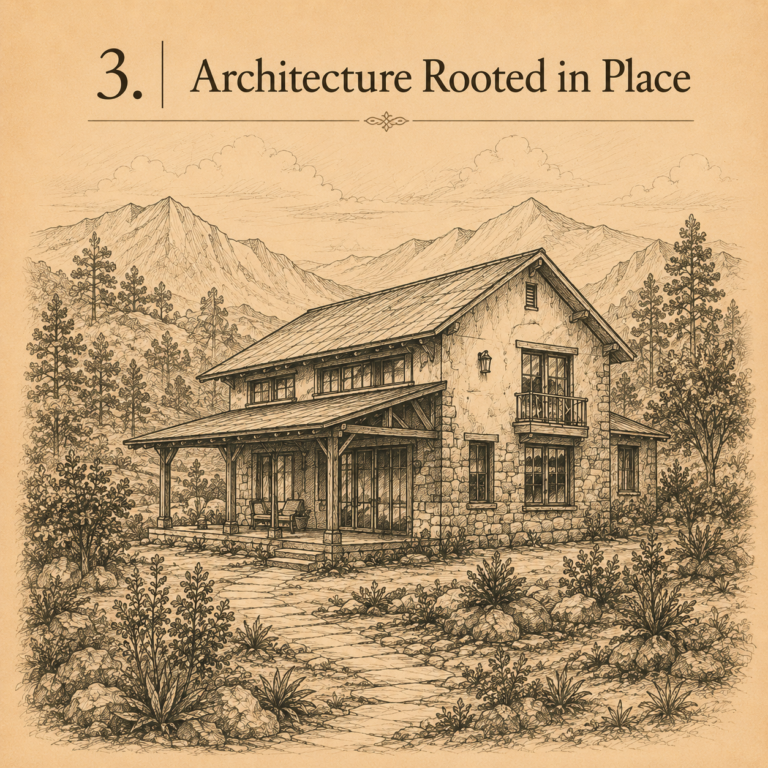
Once we understand the life and the land, architecture begins to emerge.
The building is not the starting point.
It is the physical expression of everything we have already discovered together.
Climate matters.
Materials matter.
Light matters.
The way you move through a room matters.
The relationship between indoors and outdoors matters.
So do construction methods, maintenance, durability, cost and the capabilities of the people who will eventually build it.
A house in the mountains of Veracruz should not feel as though it could have been designed for Miami, Phoenix or Toronto.
It should belong where it is.
And it should belong to the people who live there.
Architectural design may include:
• Custom homes
• Mountain and rural homes
• Vacation and retirement homes
• Family estates and compounds
• Renovations and additions
• Concept design
• Design development
• Construction drawings and documentation
The goal is not architecture for architecture's sake.
The goal is a place that feels inevitable—as though the life, the land and the architecture could not have come together any other way.
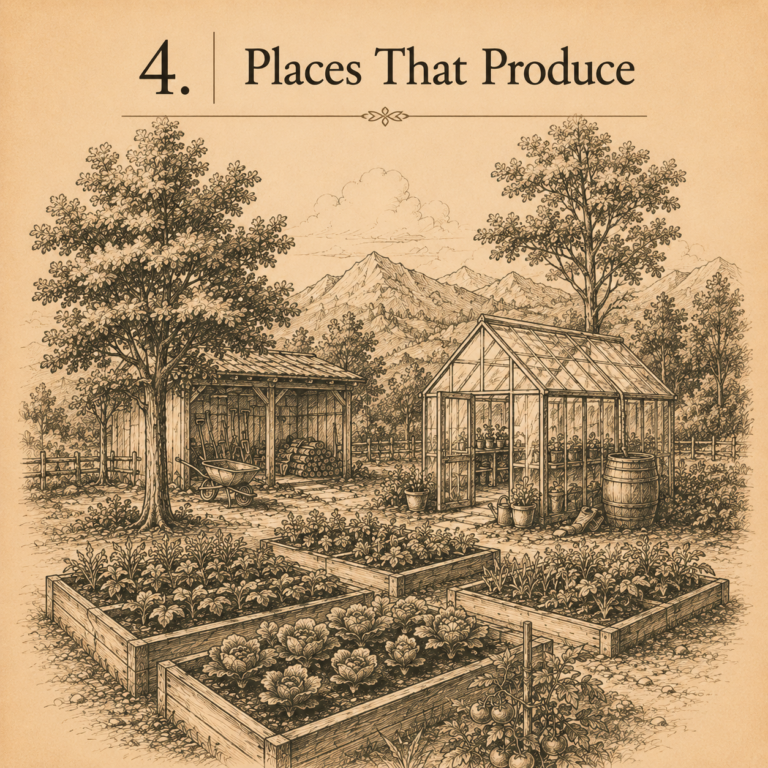
For much of human history, home was not merely a place of consumption.
It was productive.
People grew food, collected water, repaired things, kept animals, practiced trades, preserved food, built things and developed practical knowledge of the systems that sustained them.
Modern life has gradually separated many of us from those systems.
I believe thoughtful design can reconnect some of them.
Not because everyone needs to become self-sufficient.
But because capability changes our relationship with place.
A garden produces more than vegetables.
A workshop produces more than objects.
A rainwater system produces more than stored water.
These things create knowledge, participation, confidence and a deeper understanding of how our lives are supported.
Productive-property planning may include:
• Food gardens and orchards
• GreenhousesLivestock areas
• Workshops and workspaces
• Rainwater collection
• Water storage
•Composting
• Food processing and storage
• Renewable-energy systems
• Agricultural buildings
• Productive landscapes
The measure of a place is not only what it contains.
It is what it continually creates.
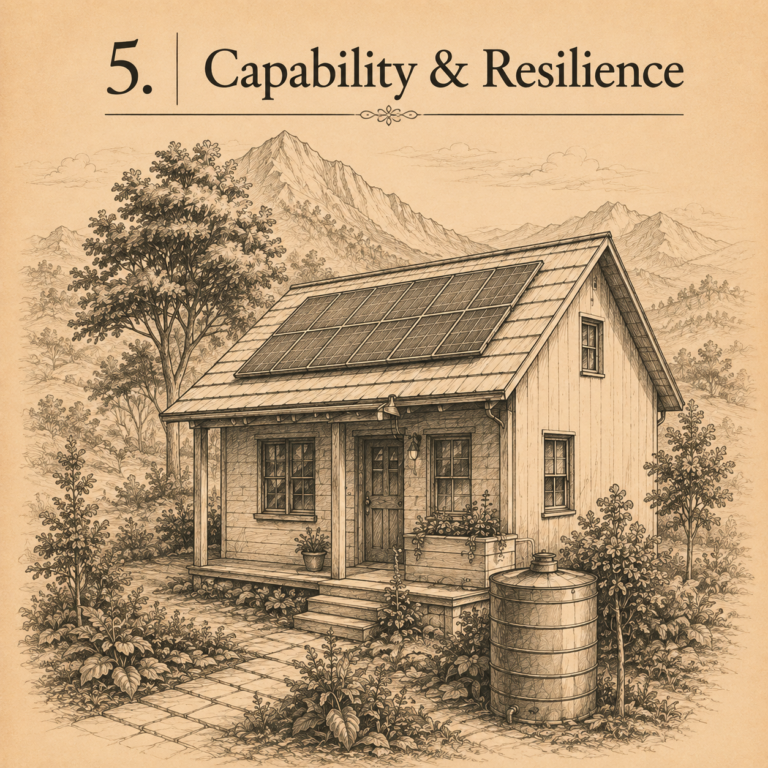
A well-designed place should make life more capable.
That does not mean withdrawing from society or pursuing complete self-sufficiency.
t means understanding the systems upon which we depend and creating greater choice within them.
Water can come from more than one source.
Food can come from a garden, local farmers, regional markets and conventional supply chains.
Energy demand can be reduced before energy production is increased.
Buildings can respond to climate rather than depending entirely upon mechanical systems to overcome it.
Waste can sometimes become a resource.
Resilience comes from having options.
I think of this as connected resilience—remaining part of the larger community and economy while developing greater local knowledge, capability and choice.
Resilience and stewardship planning may include:
• Water security
• Rainwater harvesting and storage
• Food-production planning
• Passive heating and cooling
• Solar orientation
• Renewable-energy planning
• Wastewater strategies
• Resource efficiency
• Climate-responsive design
• Long-term property resilience
The objective is not independence.
It is informed interdependence.
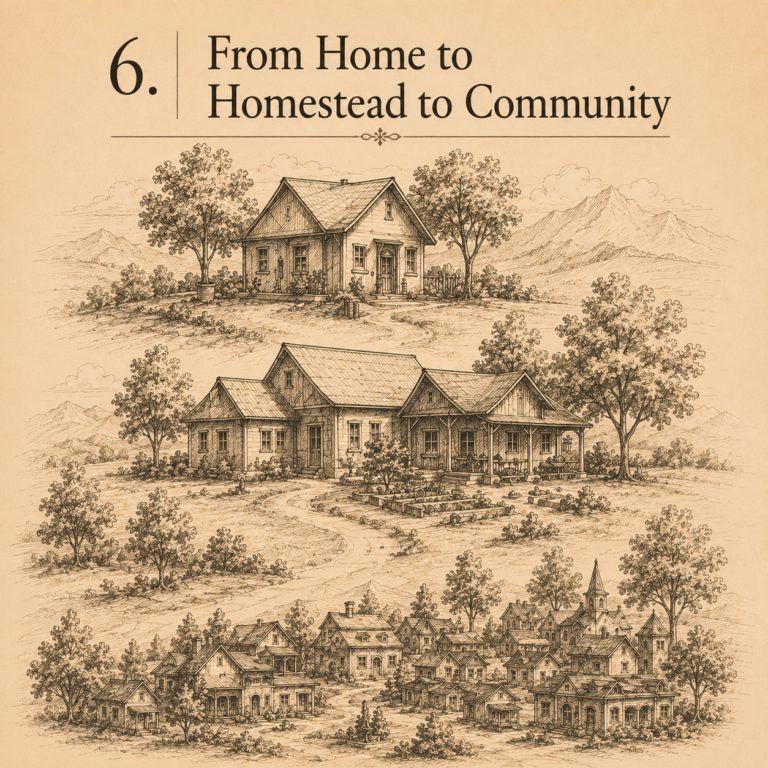
The same principles that shape a house can shape something larger.
A single home can become a homestead.
Several homes can become a family compound.
A collection of properties can become a community.
And at every scale, the same questions remain important:
• How do people relate to one another?
• What should be shared?
• What should remain private?
• How does food move through the community?
• Where does water come from?
• How do people walk, gather, work and interact?
• What relationship does the community have with the town, farmers, tradespeople and landscape surrounding it?
Good community planning is not simply the arrangement of lots and roads.
It is the design of relationships.
Larger-scale planning may include:
• Homesteads
• Family compounds
• Rural properties
• Small communities
• Shared agricultural areas
• Community facilities
• Common infrastructure
• Roads and circulation
• Land-use planning
• Phased development
The scale may change.
The philosophy does not.
Life → Land → Architecture → Community
Each grows from the one before it.
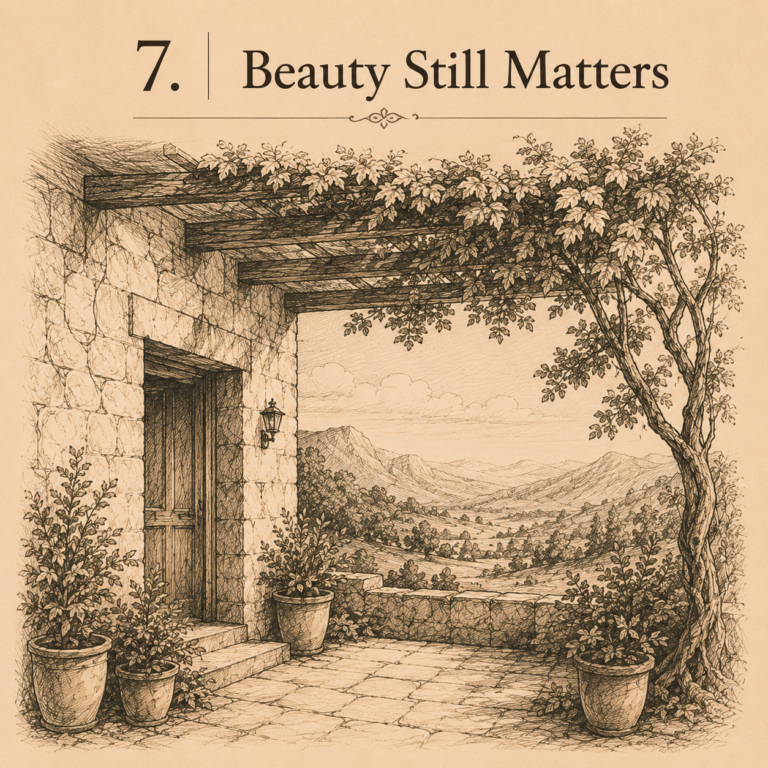
Function alone is not enough.
Neither is efficiency.
Neither is resilience.
Human beings have always created beauty, even when resources were scarce.
We shape entrances.
We frame views.
We plant gardens.
We create courtyards.
We choose materials because of how they age, how they feel and how they respond to light.
Beauty changes our relationship with a place.
It makes us care for it.
It makes us notice.
It makes us want to remain.
The goal is not decoration.
It is belonging.
A place should feel like somewhere—not anywhere.
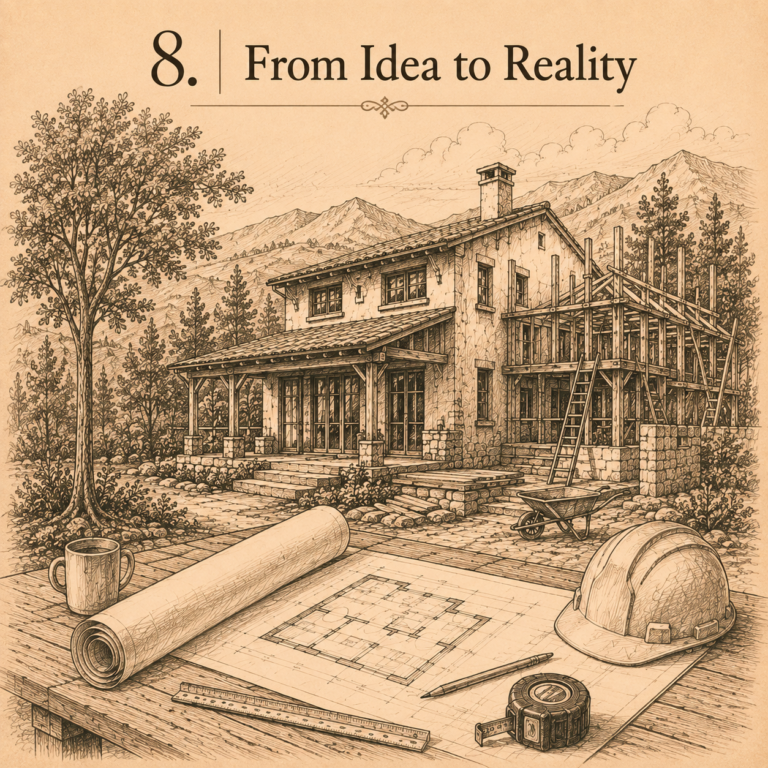
Good ideas still have to survive construction.
Drawings must become buildings.
Budgets must be respected.
Materials must be selected.
Decisions have to be made in the field.
And inevitably, conditions change.
For clients who need it, I can remain involved as the project moves from design into construction.
Project guidance and oversight may include:
• Design coordination
• Contractor communication
• Drawing clarification
• Material and finish review
• Construction observation
• Progress review
• Quality-control observations
• Change evaluation
• Problem solving
• Owner representation
My role is not to replace the contractor or the professionals legally responsible for construction.
It is to help protect the thinking behind the project as hundreds of individual decisions turn an idea into a real place.
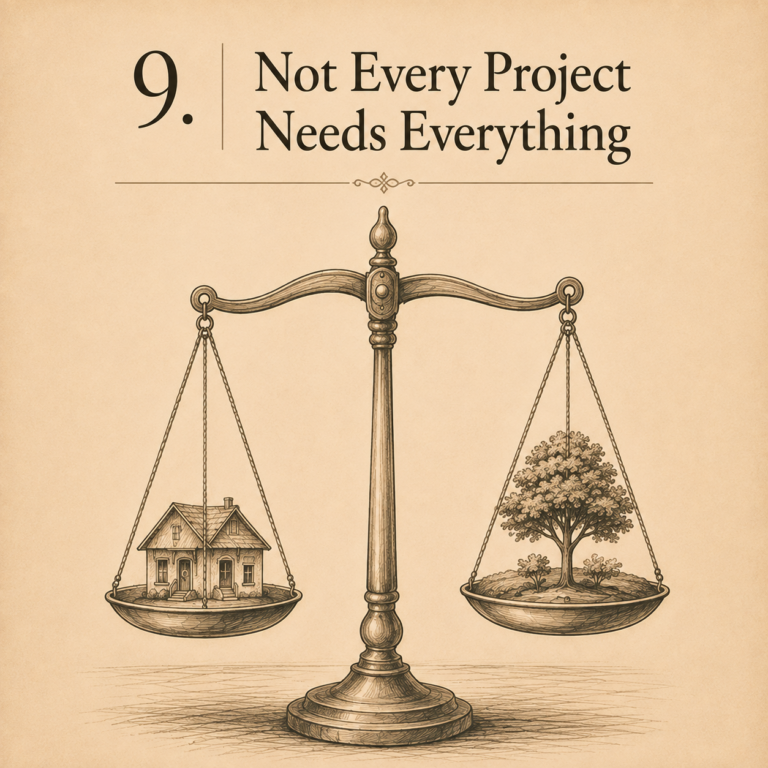
BlissWorks is not a package of predetermined services.
Some clients need help understanding a piece of land before they buy it.
Some already own property and need to understand what it could become.
Some want a home designed.
Others want to develop a homestead, family property or larger community.
And sometimes a few hours of thoughtful conversation can prevent months—or years—of expensive mistakes.
We begin with the need, not the service.
From there, we determine what level of involvement actually makes sense.
That might be a consultation.
It might be land planning.
It might be architectural design.
It might be a relationship that continues from the first conversation through construction.
The work should fit the project—not the other way around.
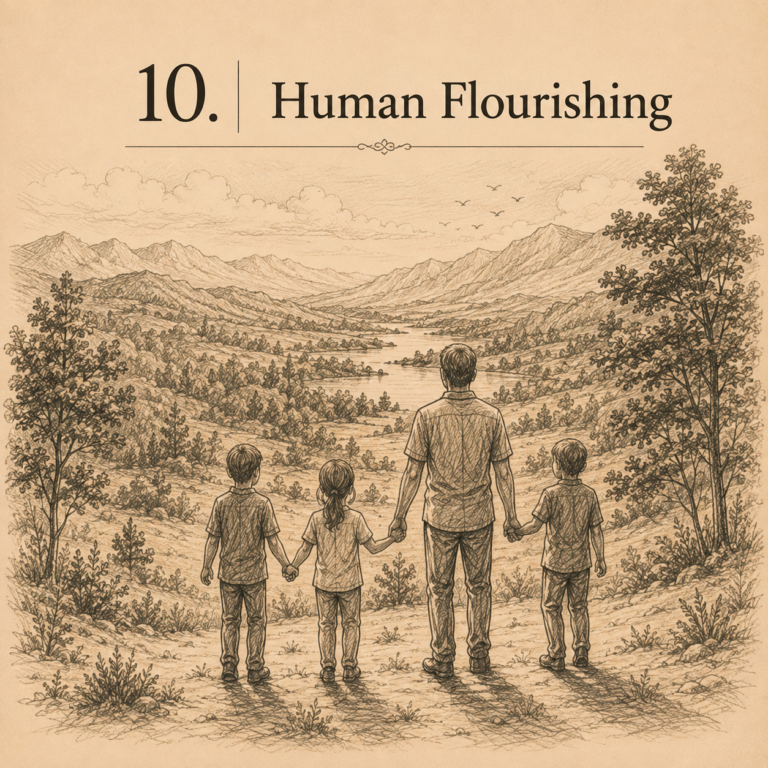
Every decision ultimately returns to one question:
Will this help people flourish?
Not merely survive.
Not merely function.
Not merely impress.
Flourish.
A good place should support health, relationships, capability, creativity, responsibility, contemplation, work, play and connection to the living world around us.
It should provide shelter without disconnecting us from nature.
Community without eliminating privacy.
Capability without demanding isolation.
Beauty without extravagance.
Technology without dependency upon technology.
Architecture cannot create a meaningful life.
But it can create conditions that make one easier to build.
That is what interests me.
That is the work.
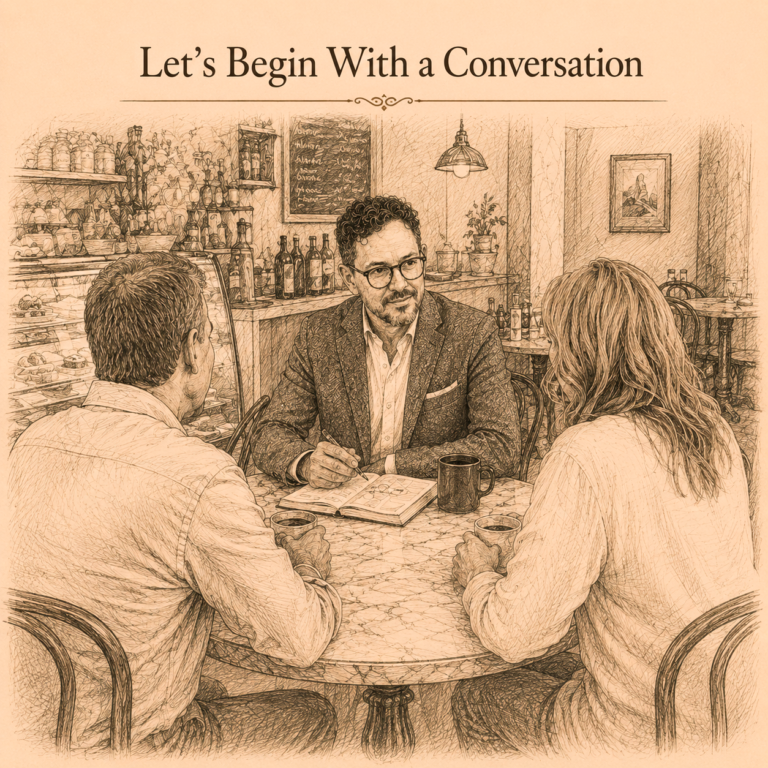
You do not need to arrive with a finished plan.
In fact, I would rather you didn't.
Bring the property.
Bring the idea.
Bring the need.
Bring the life you are trying to create.
We'll begin there.